Port and ship security
In ports and on board, the ISPS Code governs security. It requires access control and the prevention of unauthorised weapons and explosives, graded into three security levels. Metal detectors are a central tool in this.
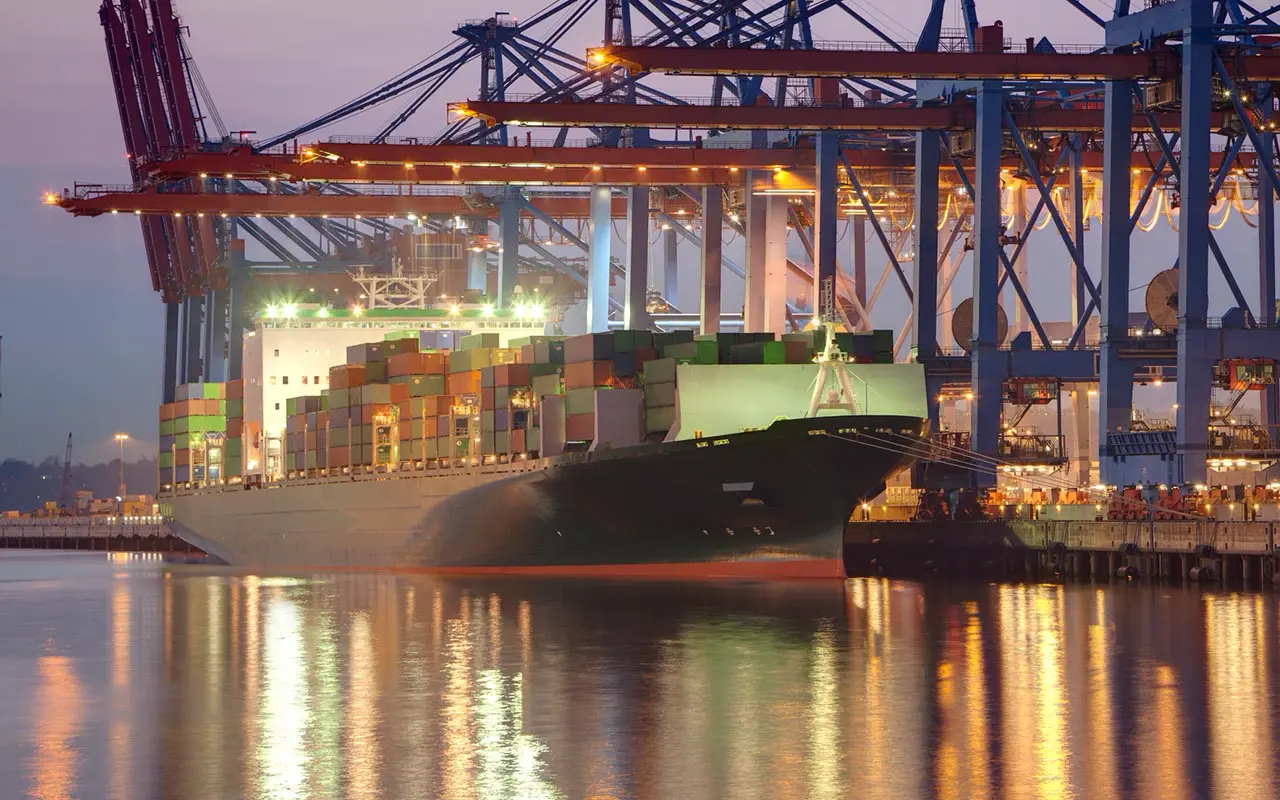
In ports and on board, security detectors protect against smuggling, unauthorised weapons and sabotage. The framework is set by the ISPS Code, the international code for the security of ships and port facilities. It has been binding since 2004 under the SOLAS Convention, and in the EU through Regulation 725/2004.
Immediate initial consultation
We look forward to hearing from you and are glad to prepare an individual quote. We serve customers in Germany, Austria and Switzerland.
Send requestThe code requires that unauthorised access to ship and port facility be prevented. Weapons, incendiary devices and explosives must be kept out. The measures are divided into three security levels, from the normal level 1 to the exceptional level 3. Named security officers for the port facility and the ship are responsible.
Screening at the access points
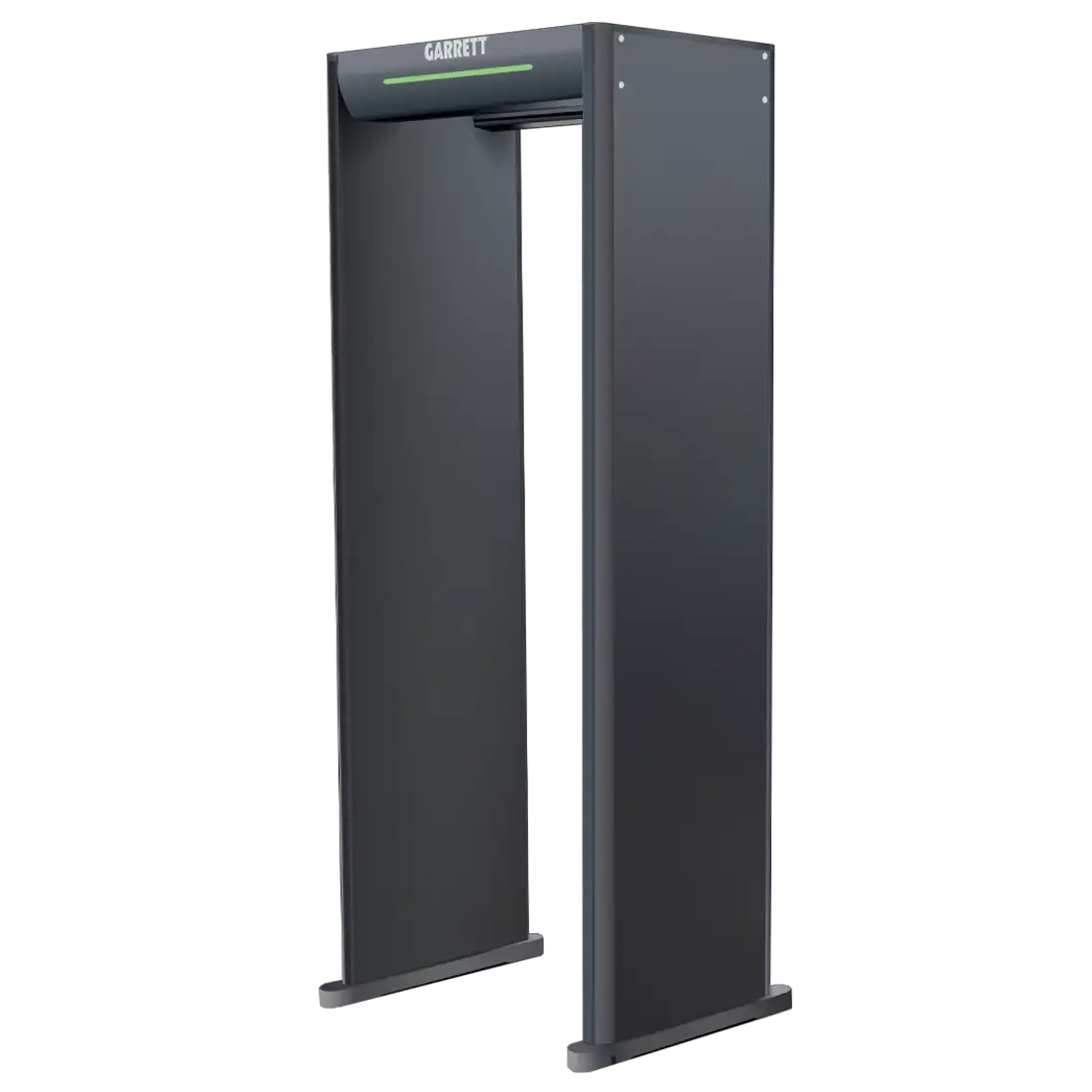
At the sensitive areas of the port facility, the walk-through detector handles the systematic screening of people and keeps unwanted items out. Which device type fits depends on the maritime setting, because an open quay places different demands than a narrow terminal building. We look at the situation on site and choose the device accordingly.
Under water and in the spot check
Where a fixed walk-through detector is not practical, mobile devices complement the check. Underwater metal detectors secure the port facility and check the ship hull for attached foreign objects. The hand-held detector handles the spot check and the targeted secondary check where an alarm needs to be resolved.
Calibration and operation in salt water
The check only works if the device is set precisely to the target. We calibrate the detector so that it reliably separates harmless personal items from dangerous metal. Trained security staff operate it safely, and a suitable sensitivity keeps false alarms low. The corrosive salt water puts extra strain on the technology, so regular maintenance secures the longevity of the devices. Correct placement and proper operation thus reduce the risks and protect vessels and port facilities alike.
Call us directly
or send us your enquiry.
Free and without obligation. We advise on the right technology for your use case.
Monday to Friday, 8 am to 5 pm. Replies to enquiries within 24 hours.